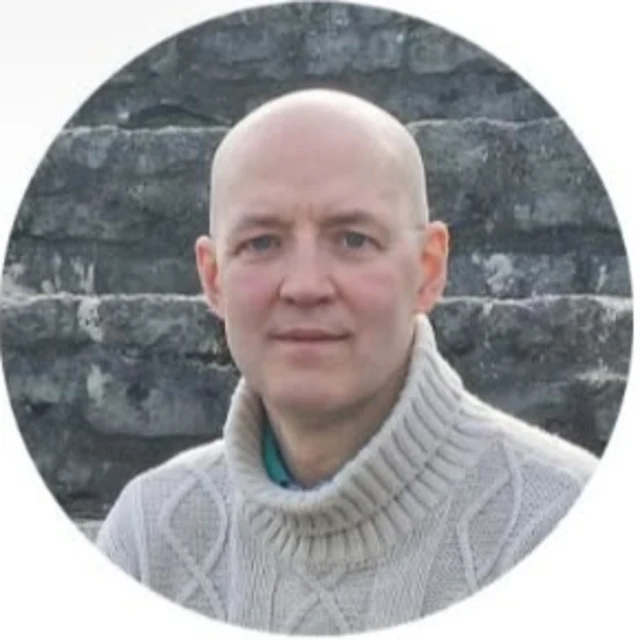
Dr. Dimitri Scherbakov
Co-founder, Lead Researcher, CEO
Over 25 years of experience in biochemistry / molecular biology, 15 years of drug development.
4 years of biotech experience.
h-index · to be confirmed LinkedIn
Restoring protein translation fidelity to prevent neurodegeneration at its source.
Transfidelity develops first-in-class small molecules that upgrade the accuracy of ribosomes in aging neurons — reducing the misfolded proteins that drive Parkinson’s and Alzheimer’s disease.
The problem
As the brain ages, its protein quality-control systems become overwhelmed. Misfolded and aggregated proteins accumulate silently for years, ultimately driving Parkinson’s, Alzheimer’s, and other dementias that current drugs can only partially manage.
Global costs already exceed US$1.3 trillion a year and are projected to reach US$2.8 trillion by 2030.
Prevalence has roughly doubled over the last 25 years.
Parkinson’s care runs into the tens of billions of dollars a year, yet no broadly effective treatment changes the course of disease.
The approach
Instead of trying to clear aggregates after neurons are already damaged, Transfidelity selectively increases the accuracy of ribosomal decoding in aging cells. Fewer translation errors mean fewer misfolded proteins, less proteostatic stress, and a chance to intervene before irreversible neurodegeneration takes hold.
Decoding accuracy
Aging neuron
+ Transfidelity
Small molecules raise the fidelity of codon reading, so the right amino acid is incorporated and proteins fold correctly.
Key results
Lead compounds cut stop-codon readthrough and misincorporation by roughly 20–25% in mammalian cells — with no detectable global translation inhibition.
In HEK293 and neuronal cell models, both lead compounds improve proteostasis-sensor readouts and reduce aggregation of endogenous and exogenous proteins.
In iPSC-derived neurons from Parkinson’s patients with a 3× SNCA genotype, the compounds significantly reduce toxic alpha-synuclein aggregates.
Team
A founder team with decades of ribosome and proteostasis research, joined by operational leadership to translate fidelity science into neuroprotective therapies.
Co-founder, Lead Researcher, CEO
Over 25 years of experience in biochemistry / molecular biology, 15 years of drug development.
4 years of biotech experience.
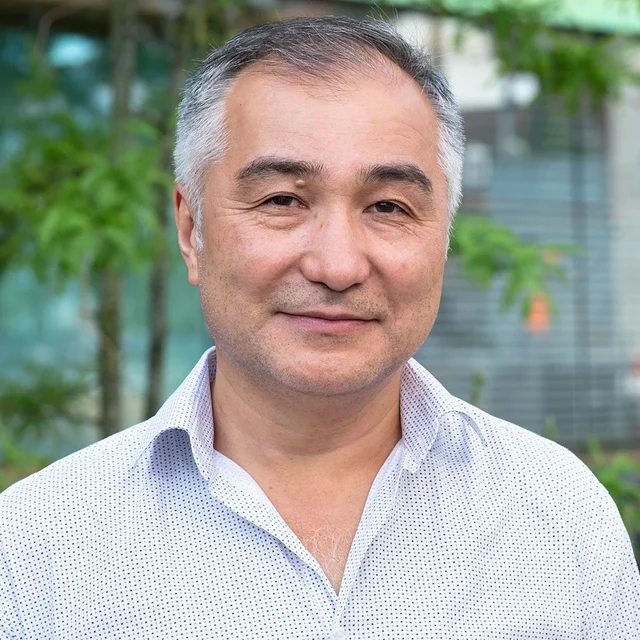
Co-Founder, Lead Researcher, CTO
Over 25 years of experience in biochemistry / molecular biology, 15 years of drug development.
4 years of biotech experience.
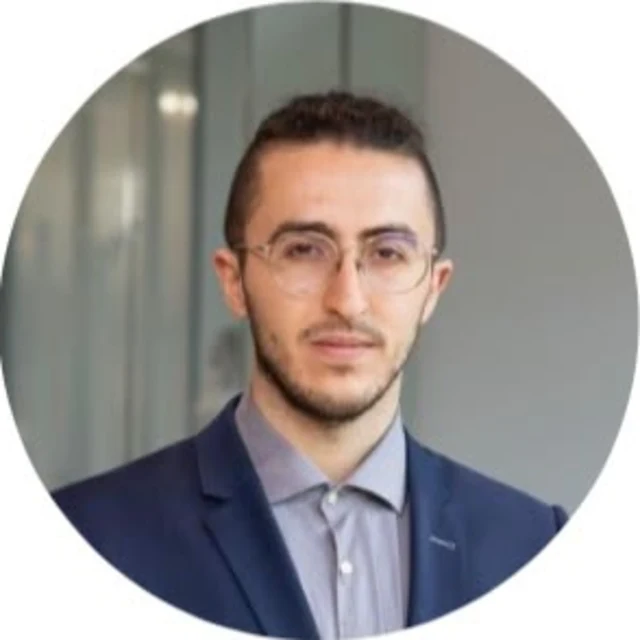
Founder Associate, BizDev
Saïd Business School, University of Oxford.
Project Management, Communications, AI support.
Backed and supported by
Transfidelity is expanding its preclinical Parkinson’s program and exploring collaborations for hit-to-lead optimization, pathway mapping, and early development. Investors, pharma partners, and DeSci community members working on neurodegeneration are invited to get in touch.
Prefer email? info@transfidelity.com